
Ocean Wanderers & Nesting Beaches
Global Citizens of Warm Waters

Sea turtles are the ultimate luxury travelers, inhabiting warm tropical and subtropical waters across the globe. These ancient mariners prefer temperatures above 70°F, making destinations like the Caribbean, Hawaii, Costa Rica, and Florida's coastlines premium viewing locations for discerning guests.
Unlike other marine life, sea turtles are true nomads, migrating thousands of miles between feeding grounds and ancestral nesting beaches. Some species travel over 10,000 miles annually—a journey that rivals the most exclusive world cruises.
Female sea turtles demonstrate remarkable loyalty, returning to the exact beaches where they were born to lay their own eggs, sometimes after decades at sea. Our luxury coastal properties provide exclusive access to key sea turtle habitats, from the pristine nesting beaches of the Atlantic and Gulf coasts to the vibrant coral reefs where these gentle giants feed. The seven species of sea turtles can be found across all oceans except the polar regions, with each species having preferred territories.
Did You Know?
Ultimate Travelers: Some sea turtles migrate farther than luxury cruise ships, traveling over 10,000 miles annually while maintaining perfect navigation to their birthplace beaches.
Key Facts
- Global Range: All warm oceans except polar regions
- Temperature Preference: Above 70°F for optimal activity
- Migration Distance: Up to 10,000+ miles annually
- Nesting Locations: Sandy tropical and subtropical beaches
- Prime Viewing: Caribbean, Hawaii, Costa Rica, Florida
Ancient Ocean Navigators
Remarkable Intelligence & Instincts

Sea turtles possess navigation skills that would impress the most seasoned luxury yacht captains. These ancient mariners use Earth's magnetic field as their personal GPS, combined with celestial navigation and ocean current patterns to traverse vast distances with pinpoint accuracy.
Generally solitary creatures, sea turtles prefer the peaceful lifestyle that appeals to discerning travelers seeking tranquil experiences. They are naturally calm and non-aggressive, making them ideal subjects for respectful wildlife observation.
During nesting season, female sea turtles demonstrate one of nature's most moving rituals. Under cover of darkness, they lumber ashore with determination that spans decades, returning to their natal beaches to dig precise nests with their powerful flippers. Their underwater behavior is equally fascinating—graceful swimming that can reach speeds of 35 mph when needed, yet typically preferring a leisurely pace that matches the relaxed atmosphere of luxury beach vacations.
Did You Know?
Natural GPS: Sea turtles navigate using Earth's magnetic field with accuracy that rivals modern technology—they're basically the ultimate luxury travelers with built-in navigation systems!
Key Facts
- Navigation: Magnetic field detection for precision travel
- Social Nature: Generally solitary, peaceful creatures
- Nesting Ritual: Nighttime beach ceremonies lasting hours
- Swimming Speed: Up to 35 mph when necessary
- Breathing Pattern: Surface every 5-15 minutes for observation
Gourmet Ocean Dining
Specialized Palates for Ocean Cuisine

Sea turtles are the discerning gourmets of the ocean, with each species having developed specialized dining preferences that would impress any luxury resort chef. Their beaks are perfectly adapted to their chosen cuisine—sharp and serrated for precision cutting.
Green sea turtles are the vegetarians of the group, preferring sea grass meadows and algae in a lifestyle that mirrors high-end plant-based dining trends. Hawksbill turtles are the seafood specialists, using their narrow beaks to extract sponges from coral reef crevices.
Loggerhead turtles prefer the robust flavors of crabs, mollusks, and jellyfish, while leatherback turtles are jellyfish connoisseurs, consuming up to 400 pounds daily of their gelatinous delicacies. Unfortunately, ocean pollution threatens these refined dining experiences, as sea turtles often mistake plastic bags for jellyfish and fishing nets for seaweed, highlighting the importance of supporting properties that prioritize marine conservation.
Did You Know?
Gourmet Appetites: Leatherback sea turtles consume up to 400 pounds of jellyfish daily—that's equivalent to eating 1,600 quarter-pound burgers worth of food every day!
Key Facts
- Green Turtles: Vegetarian—seagrass and algae specialists
- Hawksbill Turtles: Sponge connoisseurs from coral reefs
- Loggerhead Turtles: Shellfish and jellyfish preference
- Leatherback Turtles: Jellyfish specialists (400 lbs daily)
- Feeding Adaptations: Specialized beaks for precise food harvesting
Conservation Challenges
Protecting Ocean Royalty

Sea turtles face modern challenges that responsible luxury tourism can help address through conservation-minded travel choices. The primary threats stem from human activities, making educated guests powerful allies in protection efforts.
Coastal development threatens ancient nesting beaches, which is why properties that preserve and protect these areas provide irreplaceable value. Light pollution from beachfront development can disorient hatchlings, leading them away from the ocean.
Marine debris, particularly plastic waste, poses serious risks as turtles mistake bags for jellyfish and become entangled in fishing gear. Climate change affects beach temperatures, which determines hatchling gender ratios, making habitat protection even more critical. However, the conservation story is increasingly positive, with many luxury destinations leading protection efforts through research partnerships and habitat preservation.
Did You Know?
Light Heroes: Luxury beachfront properties using turtle-friendly amber lighting can save thousands of hatchlings annually—proving that small changes create massive conservation impact.
Key Facts
- Coastal Development: Addressed through protected nesting areas
- Light Pollution: Mitigated by turtle-friendly lighting practices
- Marine Debris: Reduced through responsible waste management
- Climate Change: Managed through beach temperature monitoring
- Boat Strikes: Prevented through educated boating practices
Critical Conservation Status
Every Encounter Matters
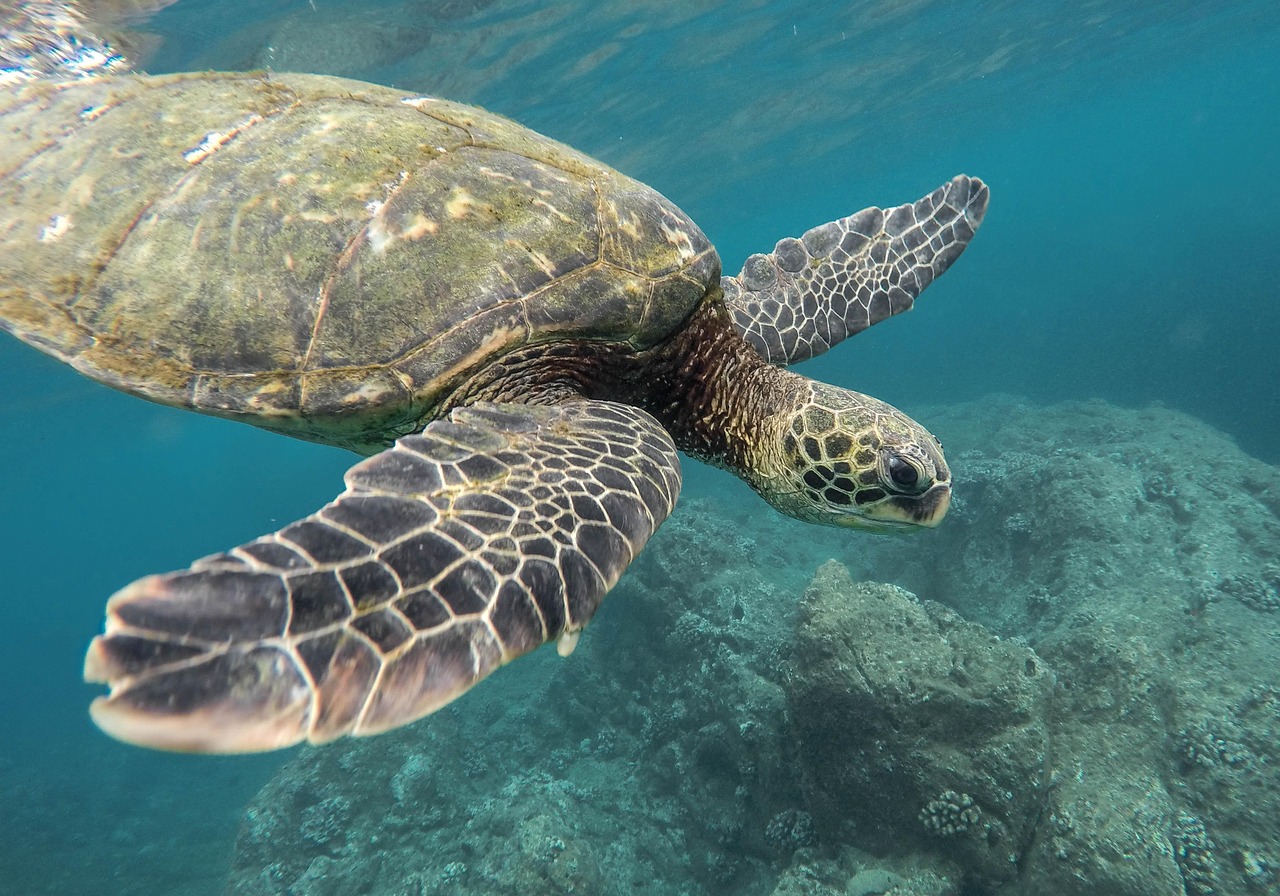
Sea turtle populations represent one of conservation's most urgent priorities, with all seven species ranging from threatened to critically endangered. Global populations have declined by over 80% in the past century, making every sighting truly precious.
Current population estimates vary dramatically by species: some populations number in the hundreds while others maintain tens of thousands of individuals. The Kemp's ridley turtle has fewer than 10,000 nesting females worldwide.
However, dedicated conservation efforts are showing promising results in many regions. Each female sea turtle that successfully nests represents decades of survival and the potential for future generations. A single female may lay 3-7 nests per season, with each nest containing 80-200 eggs, though only a small percentage will survive to adulthood. Luxury eco-tourism plays a vital role in funding research, habitat protection, and community education programs.
Did You Know?
Precious Encounters: With some species having fewer than 1,000 nesting females worldwide, every sea turtle sighting represents a meeting with ocean royalty—truly exclusive wildlife experiences.
Key Facts
- Global Decline: 80% population reduction in past century
- Species Range: From hundreds to tens of thousands individuals
- Critical Species: Kemp's ridley (fewer than 10,000 nesting females)
- Recovery Examples: Some Caribbean hawksbill populations stabilizing
- Nesting Success: 80-200 eggs per nest, low survival rates to adulthood
Join the Ocean Conservation Mission
Exclusive Ways to Protect Sea Turtle Legacy
Luxury travelers have unique opportunities to support sea turtle conservation while enjoying exclusive experiences that create lasting family memories. Your participation in responsible eco-tourism directly funds critical research and habitat protection.
Practice respectful wildlife viewing by maintaining appropriate distances during all sea turtle encounters. Choose operators that follow strict wildlife guidelines and contribute to local conservation efforts.
When staying at beachfront properties during nesting season, use only turtle-friendly lighting and participate in guided nest monitoring programs. Choose accommodations that eliminate single-use plastics, participate in beach cleanup initiatives, and support coral reef protection programs. Many luxury properties offer exclusive behind-the-scenes access to rehabilitation centers and research programs, creating educational experiences that support conservation while providing unforgettable family memories.
Did You Know?
Exclusive Impact: Responsible luxury eco-tourism contributes over $3 million annually to global sea turtle conservation—proving that the finest experiences support the most important causes.
Key Facts
- Turtle Adoption: Support individual animals through conservation organizations
- Nest Monitoring: Participate in guided research programs during nesting season
- Beach Conservation: Join habitat restoration and cleanup initiatives
- Research Support: Fund satellite tracking and population studies
- Community Programs: Support local conservation education in nesting communities
Experience Conservation in Luxury
When you choose Exclusive Vacations, you're supporting responsible tourism that protects sea turtles and marine ecosystems that make our coastal destinations extraordinary. Every stay contributes to conservation efforts while providing your family with unforgettable wildlife experiences.
Educational Partnership
This comprehensive sea turtle education experience is provided by Exclusive Vacations as part of our commitment to marine conservation and guest education. We believe that understanding and appreciating the sea turtles around our coastal destinations enhances every guest's experience while promoting conservation awareness for future generations.